
Category: Blog
Parent of all blog posts
-
When the Foundation Fails: PHP2Shell and the eMudhra Certificate Compromise
 Read more: When the Foundation Fails: PHP2Shell and the eMudhra Certificate Compromise
Two incidents in one week expose broken foundations: PHP2Shell hides in unpatchable embedded firmware, while eMudhra generated certificate authority keys with single-digit entropy. Don Bowman explains why conventional perimeter defences fail and how granular identity-based authorisation restores control.
-
When the Foundation Fails: PHP2Shell and the eMudhra Certificate Compromise
Read more: When the Foundation Fails: PHP2Shell and the eMudhra Certificate CompromiseTwo incidents in one week expose broken foundations: PHP2Shell hides in unpatchable embedded firmware, while eMudhra generated certificate authority keys with single-digit entropy. Don Bowman explains why conventional perimeter defences fail and how granular identity-based authorisation restores control.
-
The Air Gap is Dead: Water Utilities Must Embrace Zero Trust for OT Security
 Read more: The Air Gap is Dead: Water Utilities Must Embrace Zero Trust for OT Security
As water utilities enter Industry 4.0, the traditional air gap has become a dangerous myth. With 80 per cent of cyberattacks exploiting identity weaknesses, critical infrastructure must move beyond legacy virtual private networks. Adopting a Zero Trust framework through Identity-Aware Proxies secures legacy equipment incrementally, boosting productivity and uptime while protecting our essential water infrastructure.
-
The Air Gap is Dead: Water Utilities Must Embrace Zero Trust for OT Security
Read more: The Air Gap is Dead: Water Utilities Must Embrace Zero Trust for OT SecurityAs water utilities enter Industry 4.0, the traditional air gap has become a dangerous myth. With 80 per cent of cyberattacks exploiting identity weaknesses, critical infrastructure must move beyond legacy virtual private networks. Adopting a Zero Trust framework through Identity-Aware Proxies secures legacy equipment incrementally, boosting productivity and uptime while protecting our essential water infrastructure.
-
The Epitome of Absolute Trust: Why Legacy Virtual Private Networks Are a Liability
 Read more: The Epitome of Absolute Trust: Why Legacy Virtual Private Networks Are a Liability
Legacy virtual private networks are a liability, acting as an ethernet cable into your deep infrastructure. With active exploitation of obsolete protocols on the rise, organisations must abandon absolute trust. Discover why modernising access through an Identity-Aware Proxy is the only pragmatic defence against perimeter zero-day vulnerabilities.
-
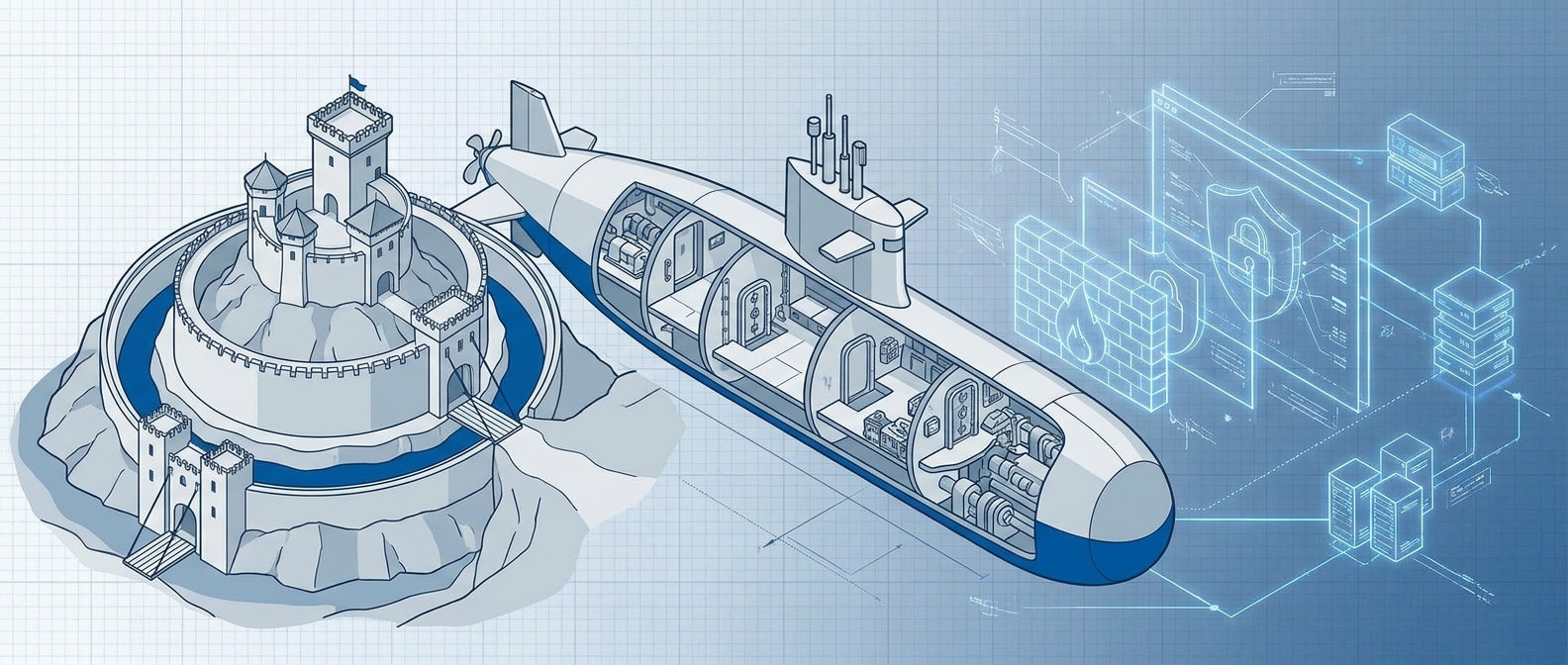
Defence in Depth: Zero Trust is a Critical Layer, Not a Panacea
 Read more: Defence in Depth: Zero Trust is a Critical Layer, Not a Panacea
“Defence in Depth” strategy, explaining why zero trust is a critical layer in protecting critical infrastructure. From the medieval castle analogy to the “lizard brain” risks of AI-amplified human engineering, learn why layered security and strong authentication are more important than ever in 2026.
-
Defence in Depth: Zero Trust is a Critical Layer, Not a Panacea
Read more: Defence in Depth: Zero Trust is a Critical Layer, Not a Panacea“Defence in Depth” strategy, explaining why zero trust is a critical layer in protecting critical infrastructure. From the medieval castle analogy to the “lizard brain” risks of AI-amplified human engineering, learn why layered security and strong authentication are more important than ever in 2026.
-
Securing the Flow: GAO Highlights Persistent Cyber Threats to Water and Wastewater Systems
 Read more: Securing the Flow: GAO Highlights Persistent Cyber Threats to Water and Wastewater Systems
A recent Government Accountability Office report reveals that nearly 170,000 water systems are increasingly vulnerable to sophisticated cyberattacks. Because the air gap is dead, traditional virtual private networks no longer provide adequate protection. Agilicus AnyX secures critical infrastructure by implementing Zero Trust Architecture, replacing perimeter-based defences with precise, identity-based access and mandatory Multi-Factor Authentication.
-
NERC CIP Compliance for Small Independent Power Producers: A Pragmatic Approach
 Read more: NERC CIP Compliance for Small Independent Power Producers: A Pragmatic Approach
With the April 1, 2026 enforcement date for NERC CIP-003-9 past, small Independent Power Producers (IPPs) face unique regulatory pressures. This post explores a pragmatic approach to securing low-impact assets, replacing legacy VPNs with a zero trust architecture that automates vendor access controls and simplifies audit evidence retention.
-
Cyber Security Is Physical Safety: Lessons From a Thermal Runaway
 Read more: Cyber Security Is Physical Safety: Lessons From a Thermal Runaway
A report on a recent B.C. EV charger fire reveals the danger of relying on software for physical safety. Learn why hardware interlocks and zero trust are non-negotiable for remote maintenance.
-
Cyber Security Is Physical Safety: Lessons From a Thermal Runaway
Read more: Cyber Security Is Physical Safety: Lessons From a Thermal RunawayA report on a recent B.C. EV charger fire reveals the danger of relying on software for physical safety. Learn why hardware interlocks and zero trust are non-negotiable for remote maintenance.
-
Water utility cybersecurity: The nearly £1 million lesson from South Staffordshire Water
 Read more: Water utility cybersecurity: The nearly £1 million lesson from South Staffordshire Water
The £963,900 ICO fine against South Staffordshire Water highlights the fatal flaw in perimeter-based security. Learn how Agilicus Zero Trust architecture addresses identity failures and the ‘legacy headache’ in critical infrastructure.
-
Fortifying Critical Infrastructure: The Shift from Defensible to Isolated
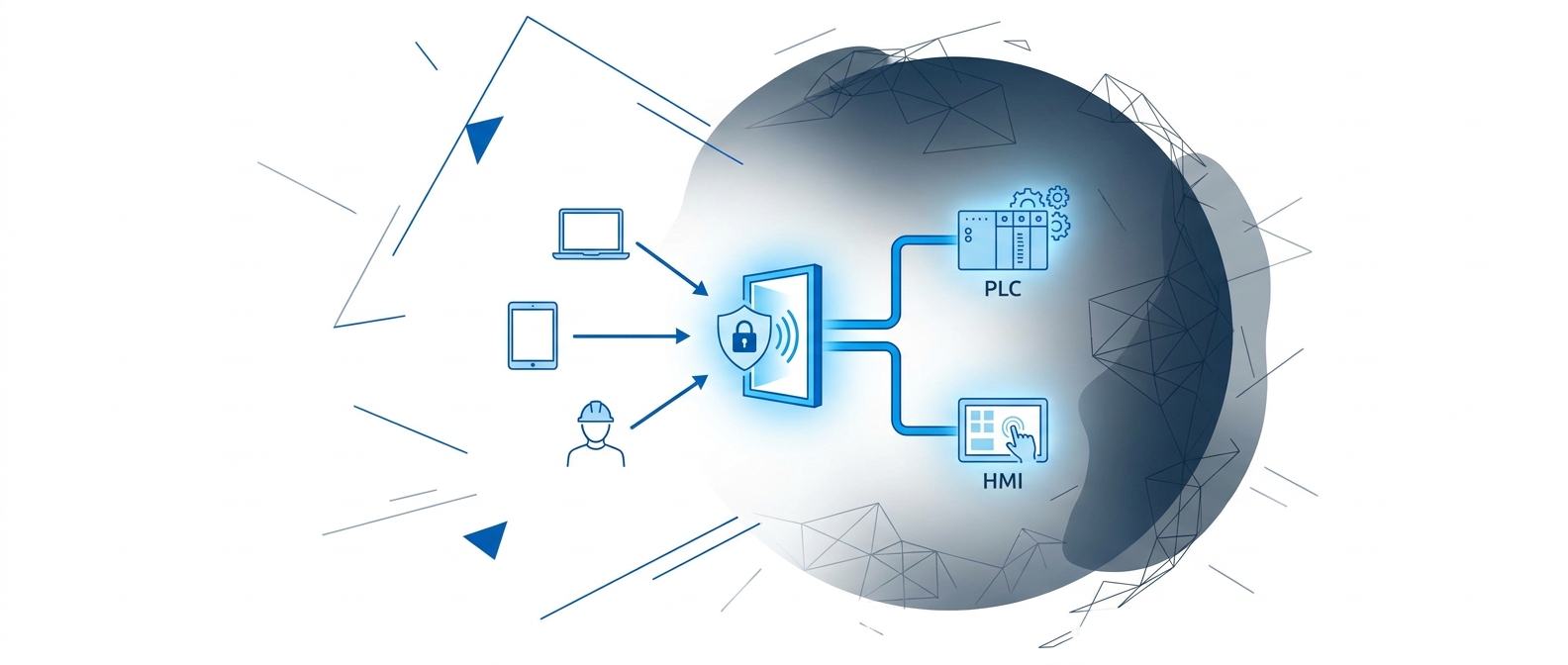 Read more: Fortifying Critical Infrastructure: The Shift from Defensible to Isolated
CISA’s Critical Infrastructure Fortify initiative demands a fundamental shift in how we secure our most vital assets. By assuming connectivity is unreliable and networks are already compromised, we must move toward proactive isolation. Discover how Agilicus AnyX enables a ‘disconnected yet connected’ Zero Trust architecture that replaces the vulnerable VPN perimeter with secure, identity-based access.
-
A Pragmatic Blueprint for Industrial Cyber Security
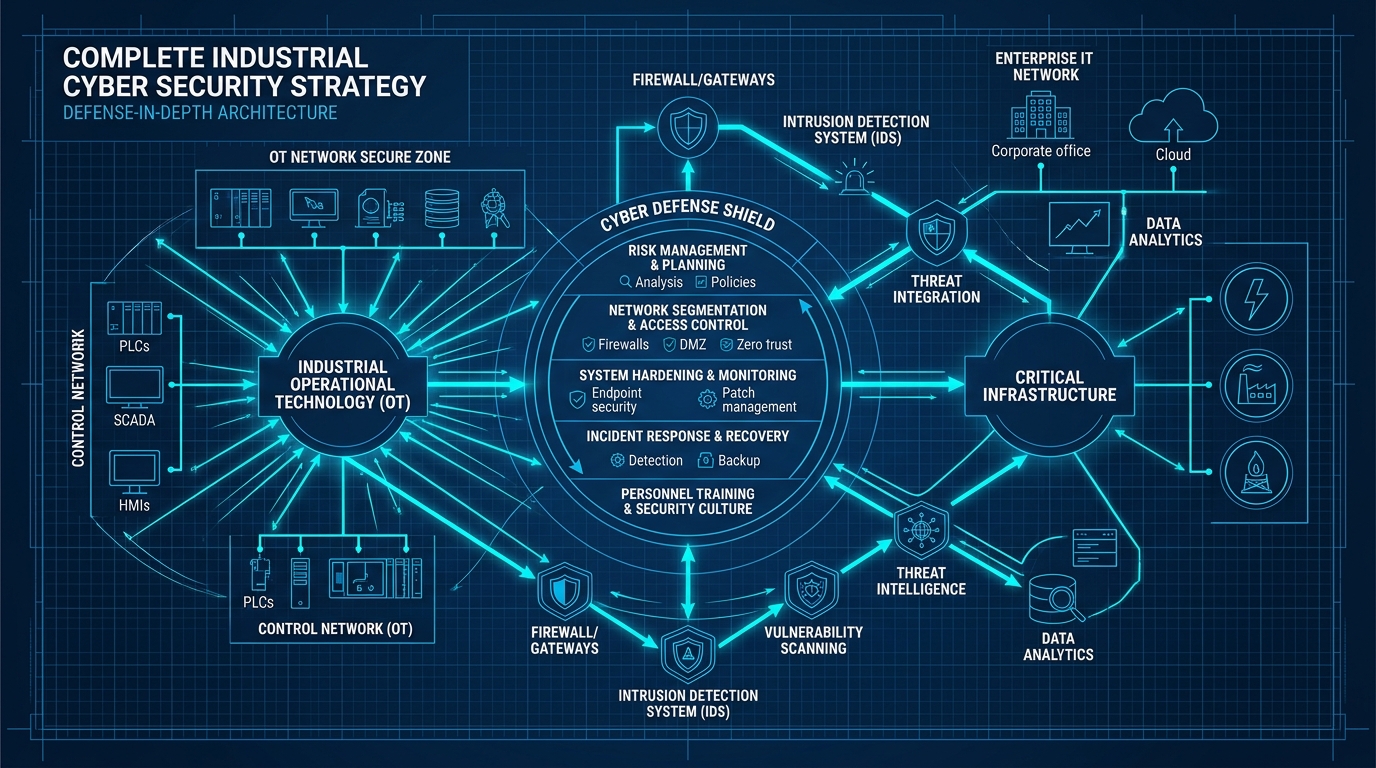 Read more: A Pragmatic Blueprint for Industrial Cyber Security
A strong cyber security posture is built on orthogonal defences. Review the five key dimensions of our best practices program and take the assessment to measure your resilience.
-
Visibility and Detection: Illuminating the Industrial Network
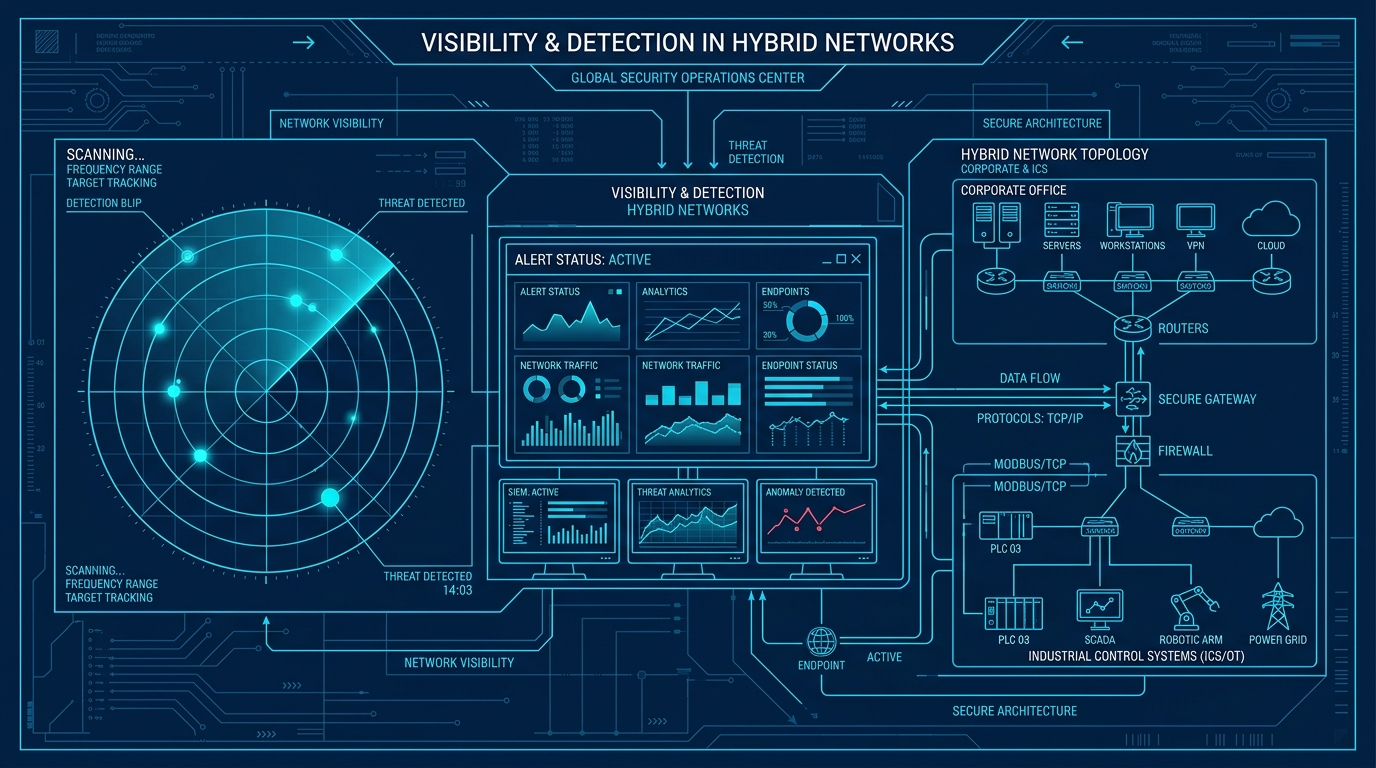 Read more: Visibility and Detection: Illuminating the Industrial Network
You cannot protect what you cannot see. Discover how to deploy effective visibility and detection mechanisms to identify threats early in hybrid environments.
-
System Hardening: Fortifying Industrial Infrastructure
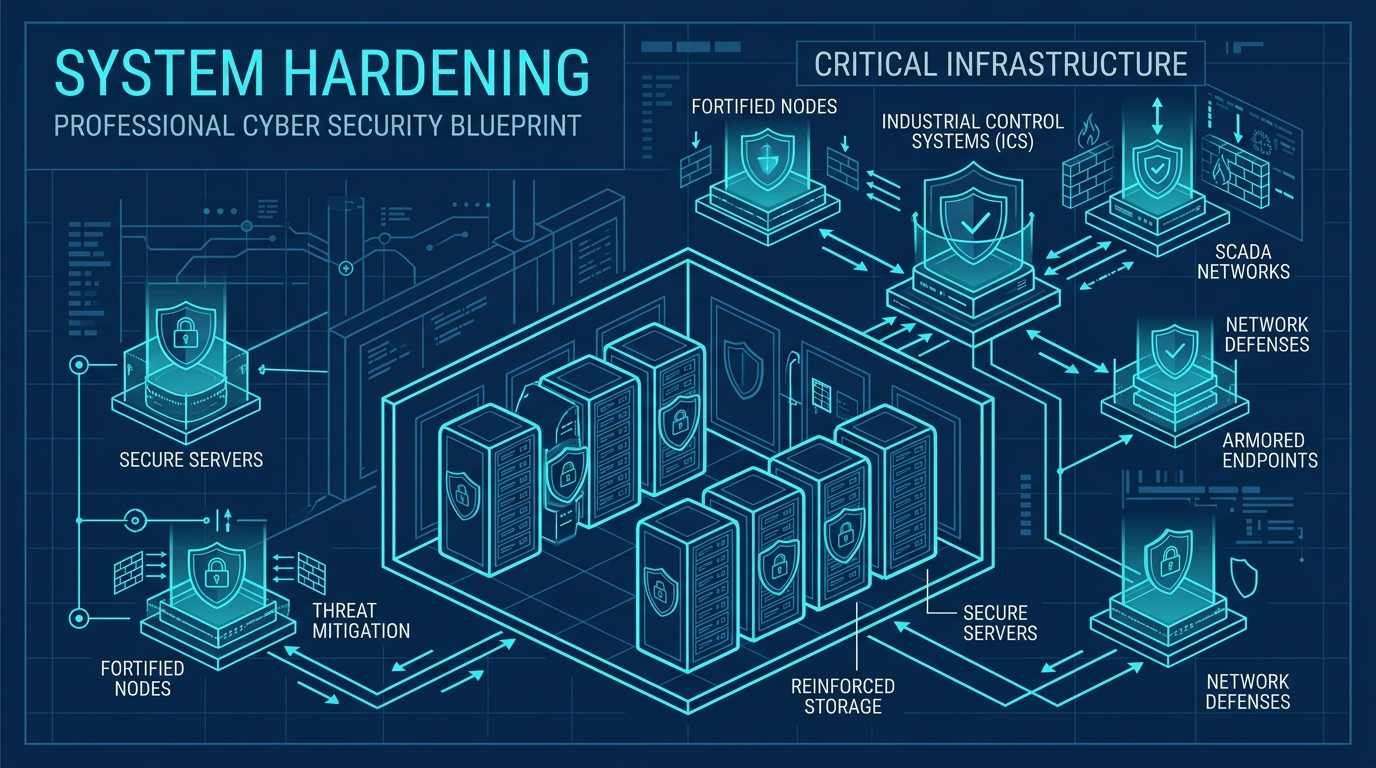 Read more: System Hardening: Fortifying Industrial Infrastructure
Ensuring your control systems are resilient to attack is paramount. This post delves into system hardening practices that minimise vulnerabilities in operational technology.
-
Halting Lateral Movement in Operational Technology
 Read more: Halting Lateral Movement in Operational Technology
If the perimeter fails, preventing lateral movement is your last line of defence. Uncover strategies for network micro-segmentation and eradicating legacy protocols.
-
Identity and Credentials: The New Air Gap
 Read more: Identity and Credentials: The New Air Gap
Identity is the most critical perimeter in hybrid operational environments. Explore why phishing-resistant multi-factor authentication and unified identity are essential for security.
-
Boundary Defence: The First Layer of Industrial Cyber Security
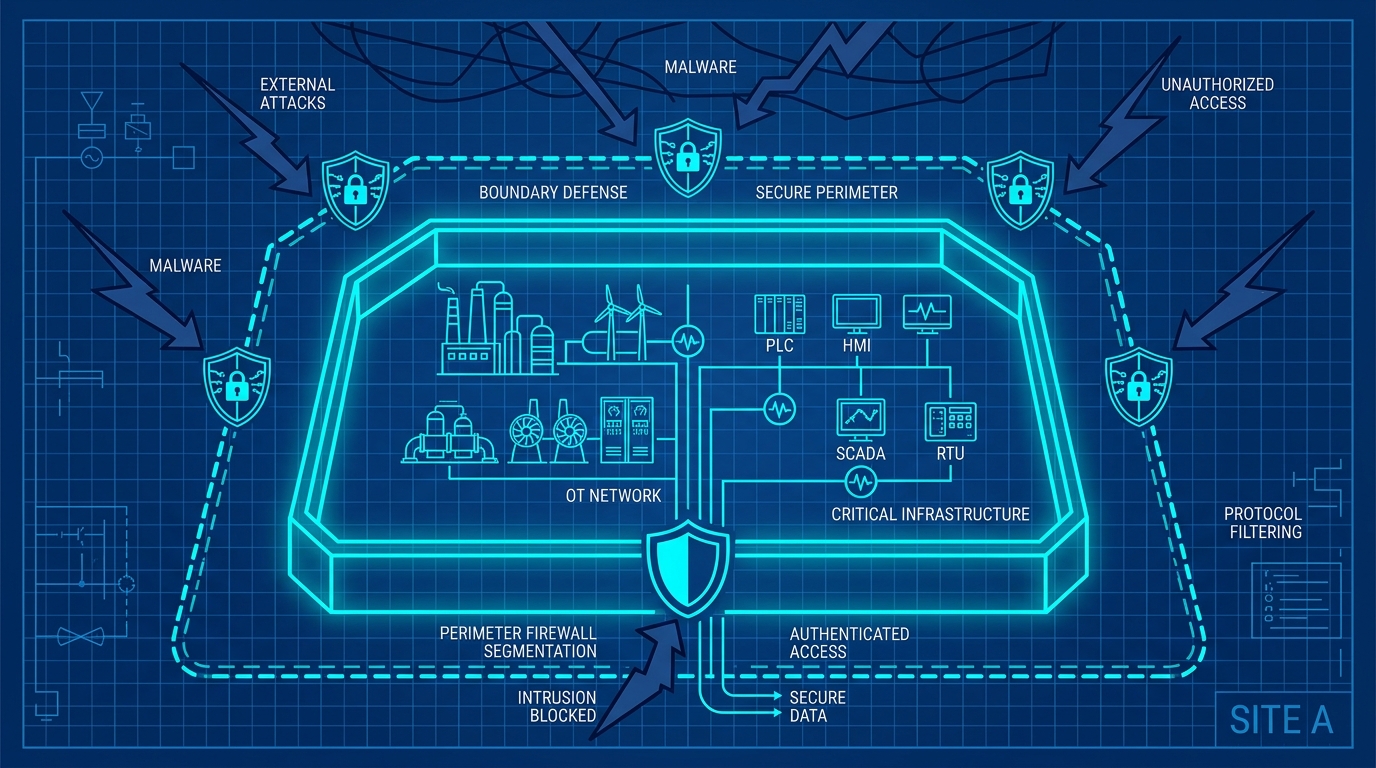 Read more: Boundary Defence: The First Layer of Industrial Cyber Security
Modern operational technology environments require robust boundary defence. Learn how to eliminate inbound ports, enforce multi-layer boundaries, and modernise remote access.
-
Assessing Your Industrial Cyber Security Posture
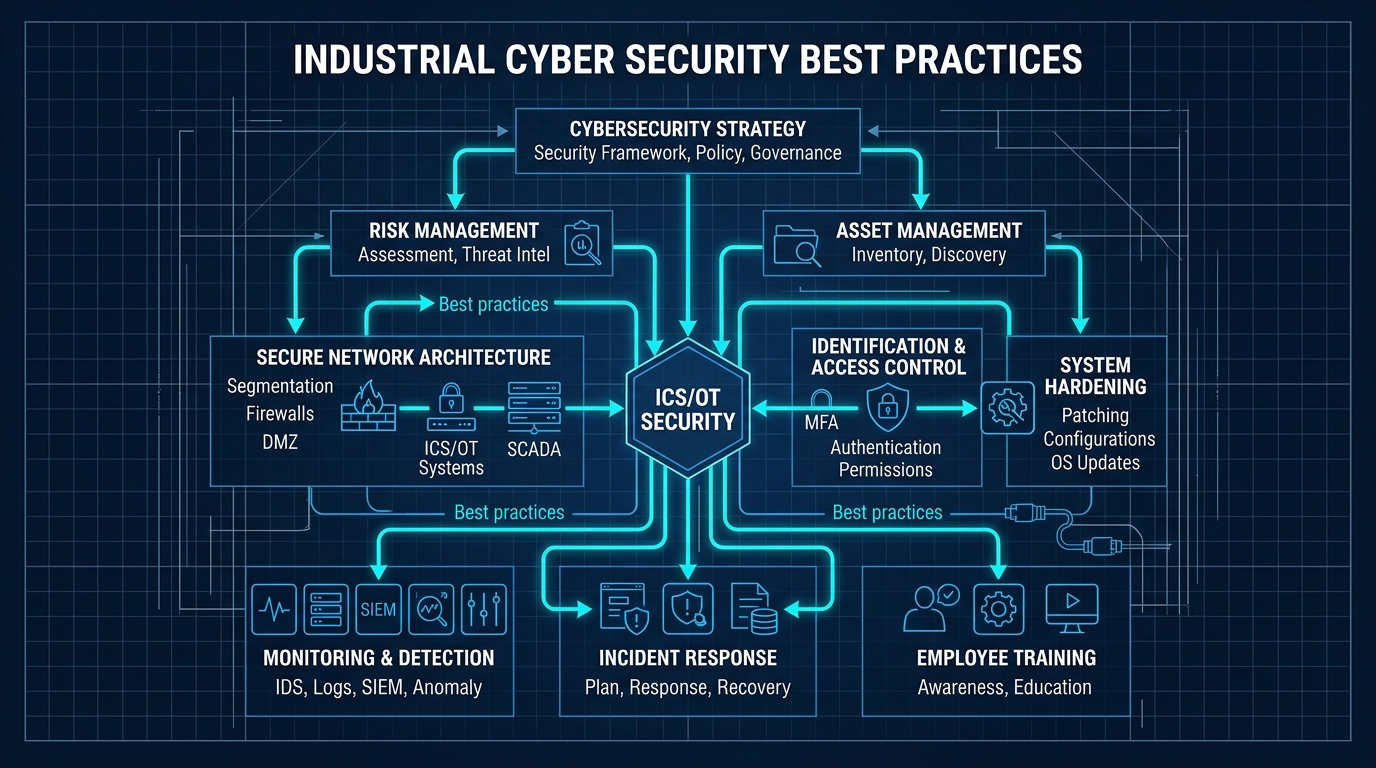 Read more: Assessing Your Industrial Cyber Security Posture
The convergence of operational technology and information technology demands a pragmatic approach. Discover our five-dimensional scorecard to evaluate and improve your industrial cyber security posture.
-
Iran Attacking Water facilities PLC: Why defence in depth is no longer optional for PLCs
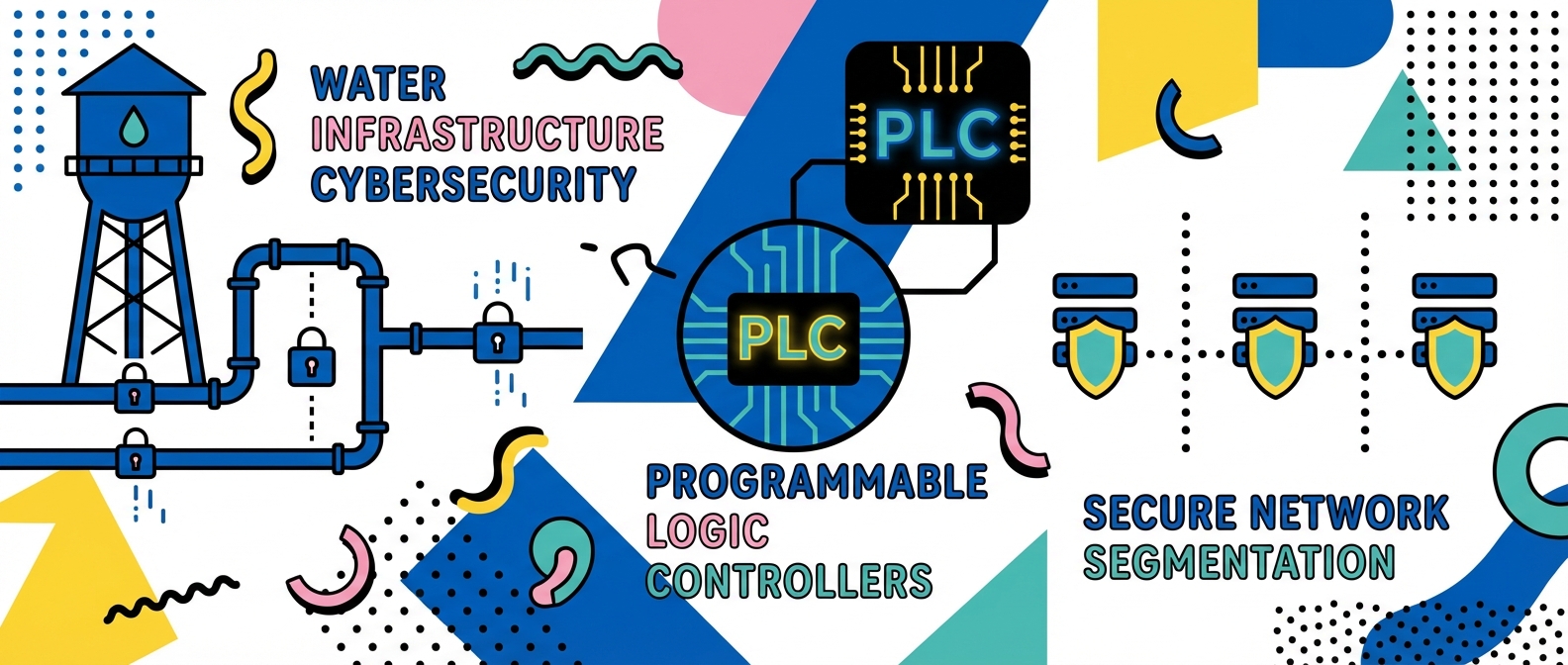 Read more: Iran Attacking Water facilities PLC: Why defence in depth is no longer optional for PLCs
Iranian cyber actors are actively targeting U.S. water facilities, exploiting exposed programmable logic controllers. Relying on perimeter security is a failing strategy. Discover why strong identity, fine-grained authorisation, and zero trust are essential to protect your operational technology from lateral traversal.
-
Time To Exploit Approaches Zero
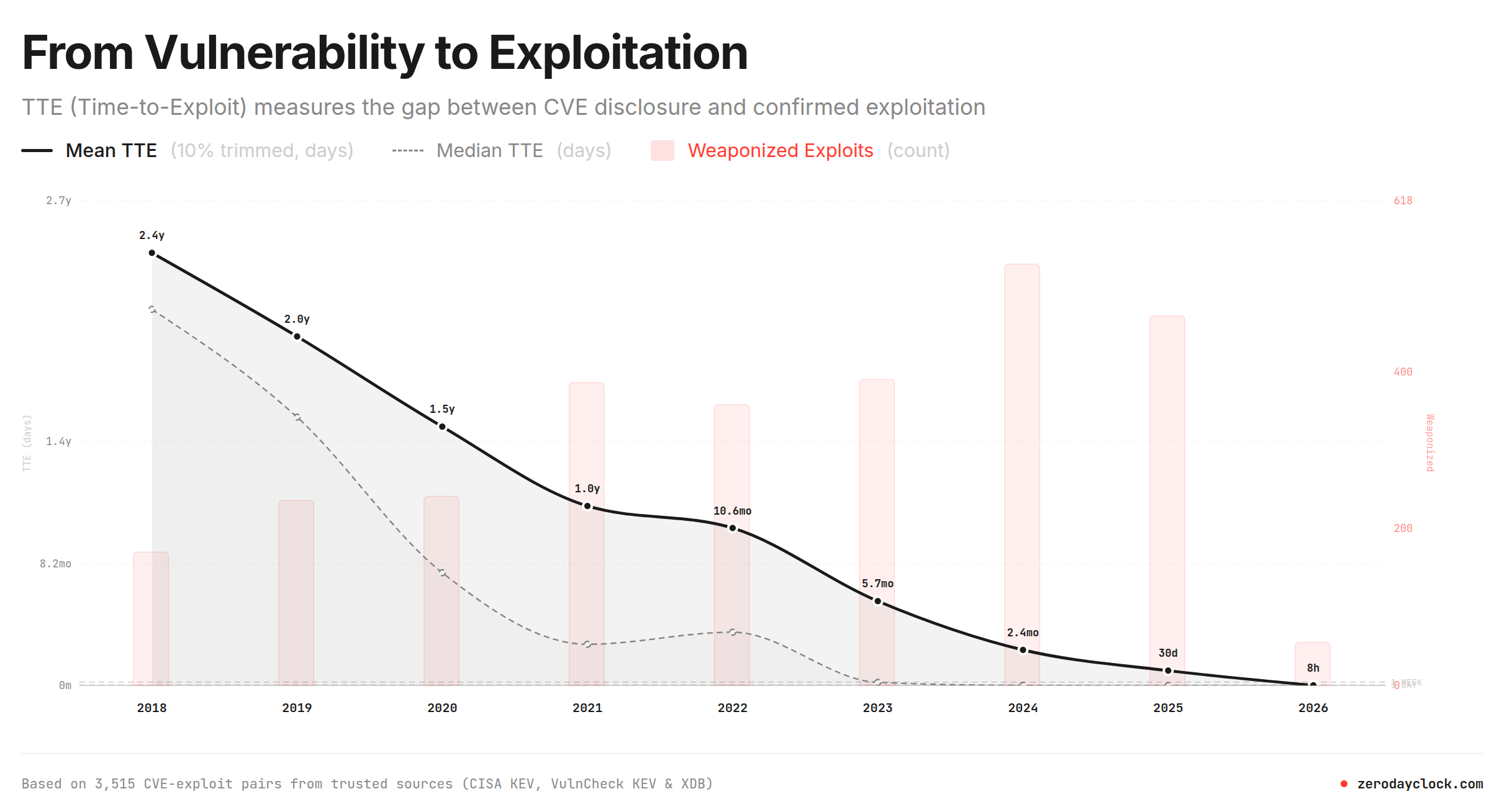 Read more: Time To Exploit Approaches Zero
The time between a vulnerability being detected to exploited has been declining. This web site https://zerodayclock.com has a great graph, below. It shows that in 2018 you had 2.5 years from detection to get a fix deployed. This worked its way through your supply chain and you updated. Think of a ‘log4j‘ type vulnerability, its…
-
NERC CIP 015-2 expands network monitoring: How zero trust secures the new perimeter
 Read more: NERC CIP 015-2 expands network monitoring: How zero trust secures the new perimeter
The new NERC CIP 015-2 standard expands internal network security monitoring to external access systems. Learn why securing the electronic security perimeter now requires eliminating trusted pivot points, and how zero trust access provides the identity-first control and deep visibility needed for compliance.
-
NERC CIP-003-9: Why your VPN is a compliance dumpster fire
 Read more: NERC CIP-003-9: Why your VPN is a compliance dumpster fire
The April 2026 deadline for NERC CIP-003-9 is approaching. Discover why legacy remote access methods like VPNs fail these new stringent requirements, and how identity-based access controls can secure your operational technology while maintaining compliance.
-
Speed To Chaos: What The Stryker Breach And CrowdStrike Outage Teach Us About Centralised Systems
 Read more: Speed To Chaos: What The Stryker Breach And CrowdStrike Outage Teach Us About Centralised Systems
The recent Stryker breach and CrowdStrike outage highlight a growing risk: homogeneous, centrally managed software accelerates the speed to chaos. Industrial organisations must rethink remote access and resilience.
-
The SERC regional risk report: Why vendor remote access is a critical vulnerability
 Read more: The SERC regional risk report: Why vendor remote access is a critical vulnerability
The SERC Regional Risk Report warns that supply chain constraints, vendor remote access, and legacy systems threaten grid reliability. Learn why traditional approaches are no longer sufficient and how zero trust protects critical infrastructure from evolving cyber threats.
-
Asset inventories are great, but who is actually logging into your PLC?
 Read more: Asset inventories are great, but who is actually logging into your PLC?
The EPA and CISA released new guidance demanding asset inventories for operational technology. But simply knowing what you have won’t stop a cyberattack. Discover why mapping your network isn’t enough, and how zero-trust micro-segmentation defeats the specific vulnerabilities threatening your PLCs.
-
Securing Canada’s Critical Energy Infrastructure: Navigating New Cybersecurity Regulations with Zero-Trust Architecture
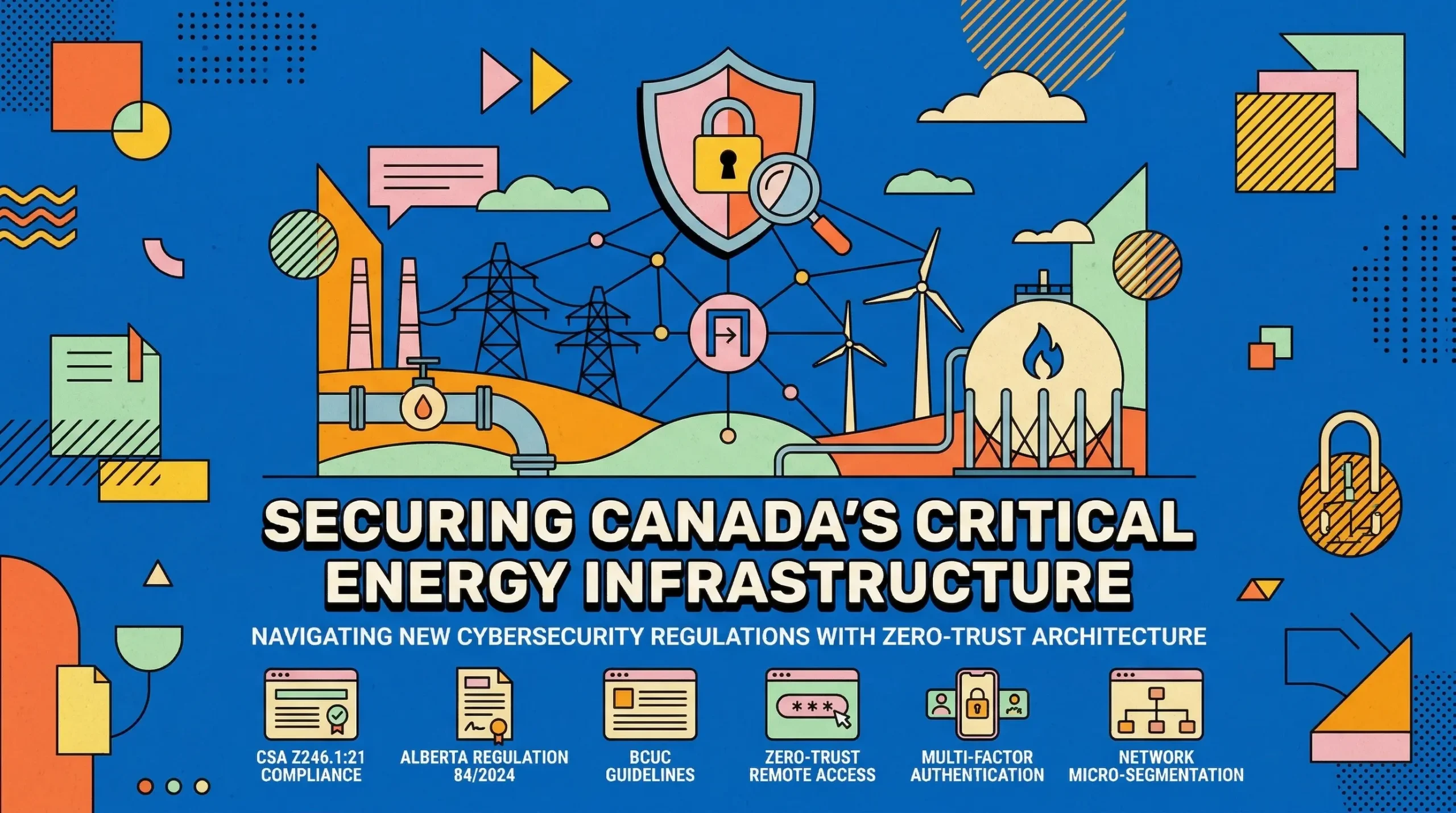 Read more: Securing Canada’s Critical Energy Infrastructure: Navigating New Cybersecurity Regulations with Zero-Trust Architecture
For Canadian energy and utility operators, complying with stringent new cybersecurity mandates like the Canadian Standards Association Z246.1:21, Alberta Regulation 84/2024, and British Columbia Utilities Commission guidelines is no longer optional. Discover how Agilicus AnyX enables operators to seamlessly implement multi-factor authentication, strict network segmentation, and zero-trust remote access for legacy industrial control systems—without ripping…