
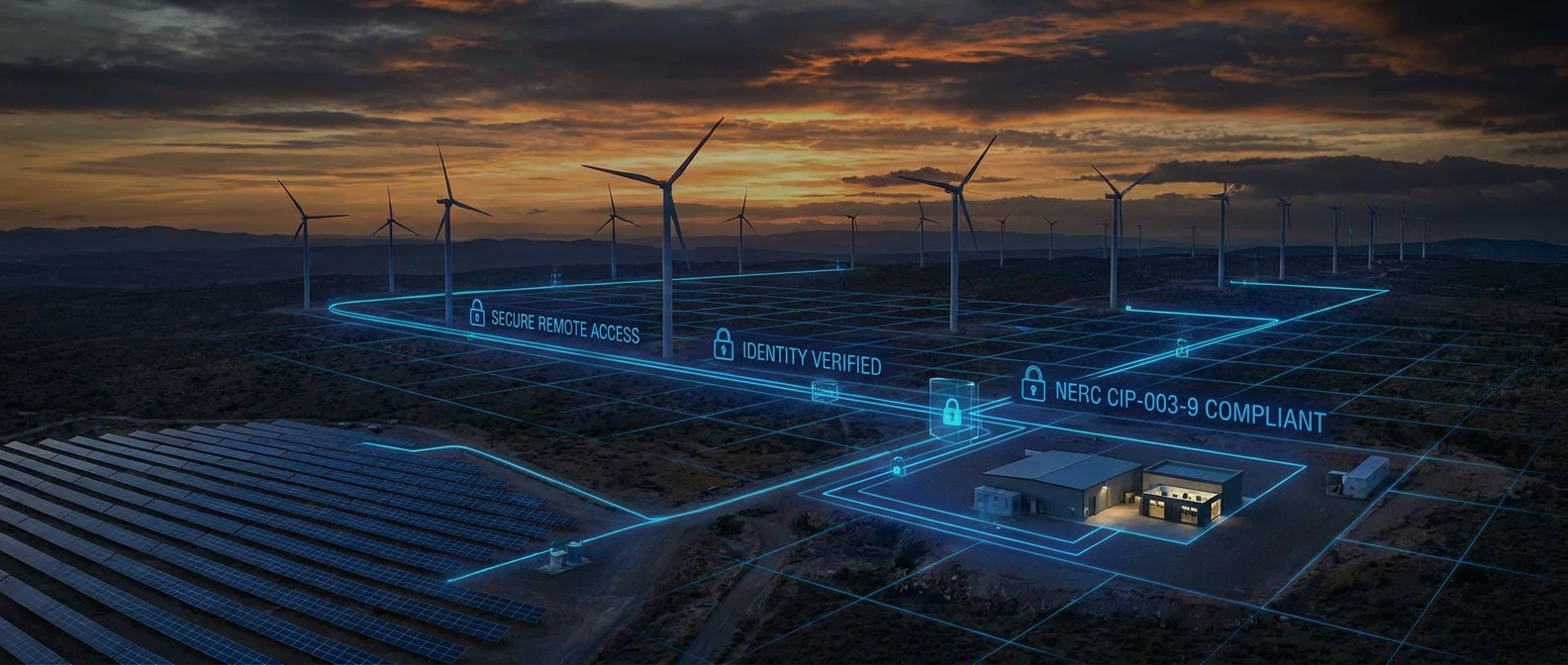
Small independent power producers face a unique set of challenges when it comes to regulatory compliance. The Bulk Electric System is moving towards stricter enforcement of cybersecurity standards, and small facilities often lack the massive IT teams or budgets of larger utilities. With the upcoming enforcement of CIP-003-9, the stakes have never been higher. A single violation can lead to significant fines. For the pragmatic plant manager, the goal is not just to check a box, but to build a resilient operation that maintains uptime while meeting every requirement of the North American Electric Reliability Corporation.
The Shift to CIP-003-9 and Vendor Remote Access
The new standard introduces critical sections regarding vendor electronic remote access security controls. Specifically, sections 6.1 and 6.2 require organisations to determine how vendors access systems and ensure that access is disabled immediately when no longer needed. Many small power sites still rely on legacy tools like virtual private networks or jump boxes. While these were once the industry standard, they are increasingly seen as a liability. They often lack the granular visibility required to prove compliance during an audit. If you cannot identify exactly who accessed a specific controller at 2:00 PM on a Tuesday, you are at risk.
Why Multi-Factor Authentication is Non-Negotiable
Multi-factor authentication is one of the most impactful safeguards an independent power producer can implement. By requiring two or more forms of verification, such as a password and a physical token or biometric, you reduce the risk of credential theft significantly. The Cybersecurity and Infrastructure Security Agency notes that this simple step can prevent the vast majority of common cyber attacks. For low-impact assets, this is no longer just a suggestion. It is becoming a core part of the roadmap for the North American Electric Reliability Corporation. Implementing a tool that enforces multi-factor authentication across all remote sessions is a pragmatic first step towards a more secure site.
The Pitfalls of Shared Credentials
Many legacy systems rely on shared vendor accounts. This makes it impossible to distinguish between different individuals from the same service provider. Single sign-on solves this by allowing vendors to use their own company credentials. When a vendor technician leaves their organisation, their access is automatically revoked. This provides a built-in kill switch that directly addresses the requirements of CIP-003-9 section 6.2. Without single sign-on, you are left managing a revolving door of passwords and hoping that your vendors inform you when an employee departs. This is not a sustainable or compliant way to operate a modern power facility.
Least Privilege and Granular Audit Trails
The principle of least privilege ensures that a user only has access to the specific resources they need to perform their job. If a technician only needs to monitor a sensor, they should not have write access to the main controller. Zero trust architectures, like those provided by Agilicus, operate at the application layer rather than the network layer. This allows for incredibly granular audit logs. You can see who accessed what, when they did it, and what actions they took. This centralized data simplifies the evidence collection process for any compliance manager. Instead of hunting through disparate network logs, you have a single source of truth that is ready for any audit.
Conclusion: Moving Beyond the Perimeter
Relying on perimeter-based security is a strategy of the past. As we move into the era of Industry 4.0, small independent power producers must adopt tools that offer more than just a gate at the edge of the network. By implementing a zero trust platform, you ensure that every access request is authenticated and authorised individually. This not only meets the current requirements of NERC CIP-003-9 but also prepares your facility for future regulatory shifts. It is a pragmatic, cost-effective way to secure your assets and focus on what you do best: generating reliable power for the grid.