
Category: Industrial Remote Operations
-
The Air Gap is Dead: Water Utilities Must Embrace Zero Trust for OT Security
 Read more: The Air Gap is Dead: Water Utilities Must Embrace Zero Trust for OT Security
As water utilities enter Industry 4.0, the traditional air gap has become a dangerous myth. With 80 per cent of cyberattacks exploiting identity weaknesses, critical infrastructure must move beyond legacy virtual private networks. Adopting a Zero Trust framework through Identity-Aware Proxies secures legacy equipment incrementally, boosting productivity and uptime while protecting our essential water infrastructure.
-
Cyber Security Is Physical Safety: Lessons From a Thermal Runaway
 Read more: Cyber Security Is Physical Safety: Lessons From a Thermal Runaway
A report on a recent B.C. EV charger fire reveals the danger of relying on software for physical safety. Learn why hardware interlocks and zero trust are non-negotiable for remote maintenance.
-
Iran Attacking Water facilities PLC: Why defence in depth is no longer optional for PLCs
 Read more: Iran Attacking Water facilities PLC: Why defence in depth is no longer optional for PLCs
Iranian cyber actors are actively targeting U.S. water facilities, exploiting exposed programmable logic controllers. Relying on perimeter security is a failing strategy. Discover why strong identity, fine-grained authorisation, and zero trust are essential to protect your operational technology from lateral traversal.
-
NERC CIP 015-2 expands network monitoring: How zero trust secures the new perimeter
 Read more: NERC CIP 015-2 expands network monitoring: How zero trust secures the new perimeter
The new NERC CIP 015-2 standard expands internal network security monitoring to external access systems. Learn why securing the electronic security perimeter now requires eliminating trusted pivot points, and how zero trust access provides the identity-first control and deep visibility needed for compliance.
-
NERC CIP-003-9: Why your VPN is a compliance dumpster fire
 Read more: NERC CIP-003-9: Why your VPN is a compliance dumpster fire
The April 2026 deadline for NERC CIP-003-9 is approaching. Discover why legacy remote access methods like VPNs fail these new stringent requirements, and how identity-based access controls can secure your operational technology while maintaining compliance.
-
Speed To Chaos: What The Stryker Breach And CrowdStrike Outage Teach Us About Centralised Systems
 Read more: Speed To Chaos: What The Stryker Breach And CrowdStrike Outage Teach Us About Centralised Systems
The recent Stryker breach and CrowdStrike outage highlight a growing risk: homogeneous, centrally managed software accelerates the speed to chaos. Industrial organisations must rethink remote access and resilience.
-
The SERC regional risk report: Why vendor remote access is a critical vulnerability
 Read more: The SERC regional risk report: Why vendor remote access is a critical vulnerability
The SERC Regional Risk Report warns that supply chain constraints, vendor remote access, and legacy systems threaten grid reliability. Learn why traditional approaches are no longer sufficient and how zero trust protects critical infrastructure from evolving cyber threats.
-
Asset inventories are great, but who is actually logging into your PLC?
 Read more: Asset inventories are great, but who is actually logging into your PLC?
The EPA and CISA released new guidance demanding asset inventories for operational technology. But simply knowing what you have won’t stop a cyberattack. Discover why mapping your network isn’t enough, and how zero-trust micro-segmentation defeats the specific vulnerabilities threatening your PLCs.
-
CSA Z246.1: Security management for petroleum and natural gas industry systems
 Read more: CSA Z246.1: Security management for petroleum and natural gas industry systems
As cyber threats against critical infrastructure continue to rise, Canadian regulators are cracking down on vulnerabilities in the energy sector. Enter CSA Z246.1—Canada’s foundational standard for security management in the petroleum and natural gas industries. Unlike rigid technical checklists, CSA Z246.1 requires operators to build a holistic, risk-based Security Management Program (SMP) that breaks down…
-
Manitoba Water & Wastewater Association: Why Water Facilities Must Embrace Zero Trust in Industry 4.0
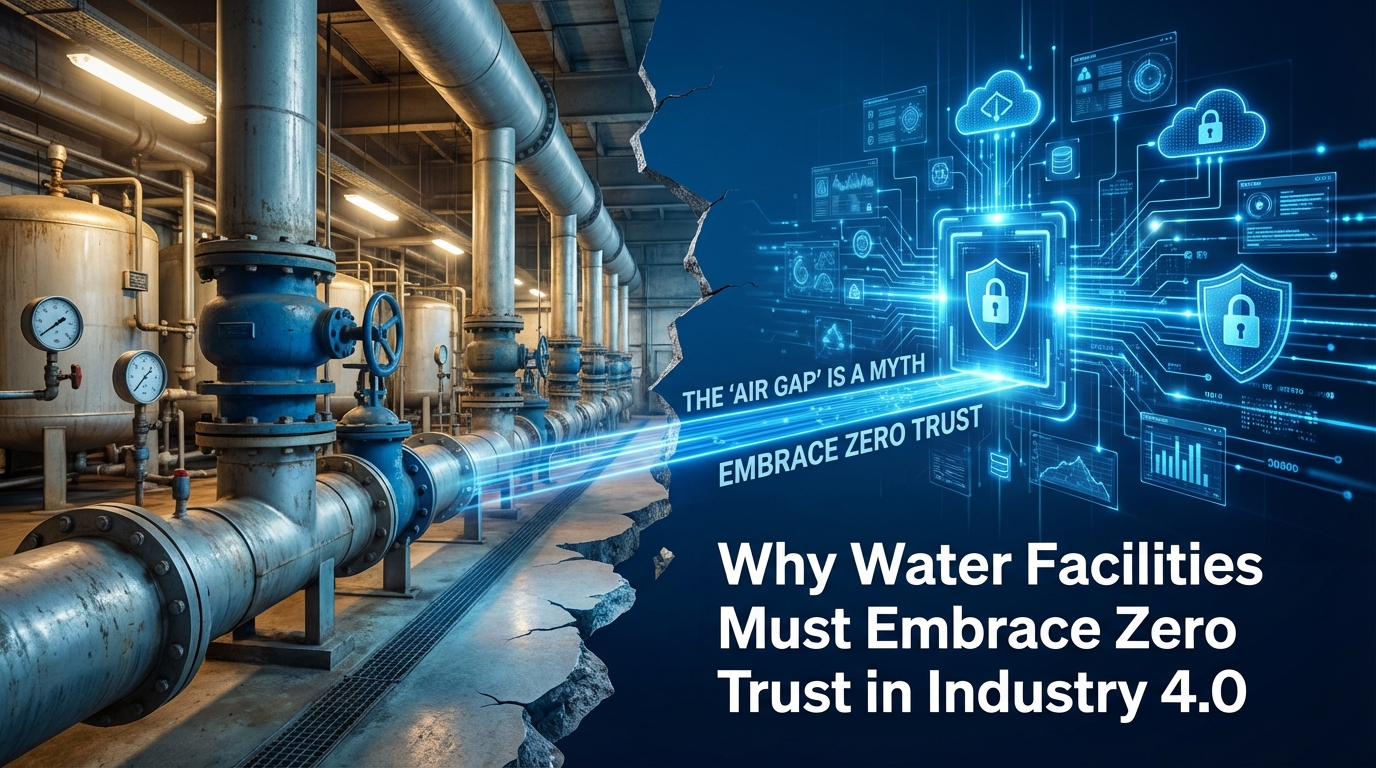 Read more: Manitoba Water & Wastewater Association: Why Water Facilities Must Embrace Zero Trust in Industry 4.0
The “air gap” protecting our water and wastewater facilities is a dangerous myth in the era of Industry 4.0. With real-world cyber threats actively targeting municipal water systems through exposed HMIs and compromised credentials, traditional VPNs and firewalls are no longer enough to keep operations safe. Read Don Bowman’s latest insights from the MWWA conference…
-
Broken Barriers: Why Johnny Can’t Authenticate (NERC fines are not fine)
 Read more: Broken Barriers: Why Johnny Can’t Authenticate (NERC fines are not fine)
CISA’s latest report highlights a massive gap in OT security: Johnny can’t authenticate. With NERC CIP-003-9 looming, discover how to secure dumb devices without replacing them.
-
Powered Down: The Polish Grid Hack and Your Plywood Perimeter
 Read more: Powered Down: The Polish Grid Hack and Your Plywood Perimeter
The recent attack on Poland’s power grid proves that ‘air gaps’ are a myth and default passwords on edge devices can brick your critical infrastructure. Learn why your out-of-support hardware is a ticking time bomb and how Identity-Aware Proxies can save you from a total re-engineering nightmare.
-
Kritical Konditions: Germany’s Umbrella Act Rains Down on Risk
 Read more: Kritical Konditions: Germany’s Umbrella Act Rains Down on Risk
Germany’s KRITIS Umbrella Act is here, mandating strict physical and digital security for 1,700 critical entities. Is your fortress ready for the audit?
-
Polish Power Pwnage: Wipers, Wind Farms, and Wake-Up Calls
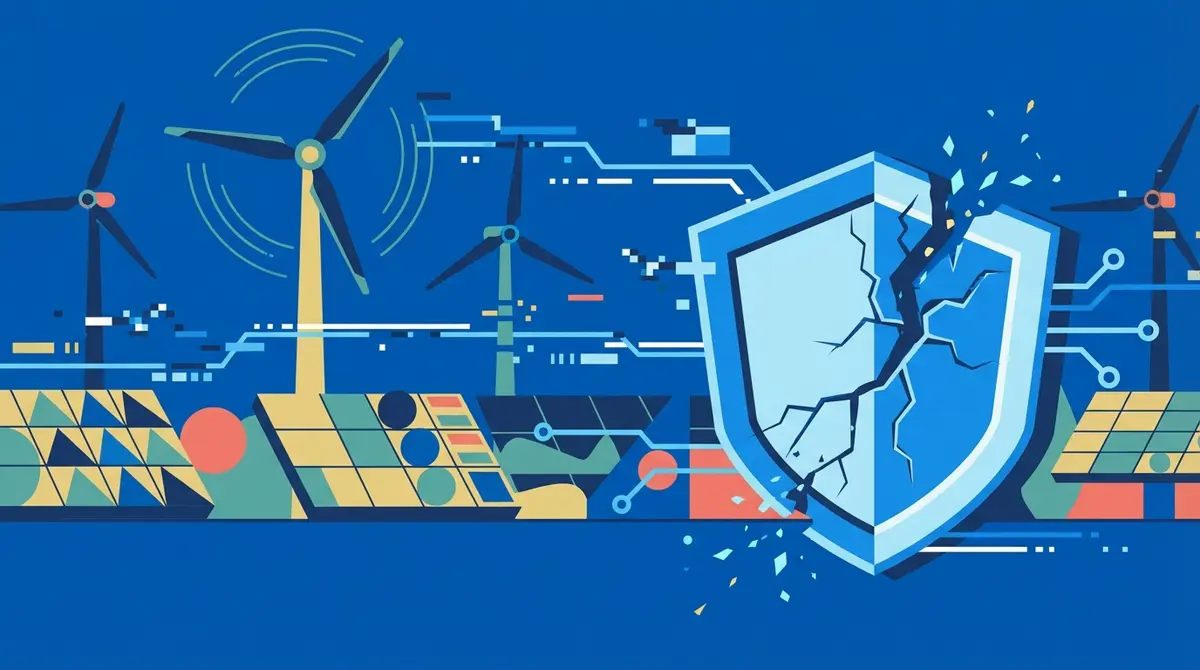 Read more: Polish Power Pwnage: Wipers, Wind Farms, and Wake-Up Calls
Poland’s power grid survived a massive wiper attack in December, but 30 sites were left with bricked OT systems. The attackers targeted distributed energy resources, proving that the ‘air gap’ is dead. Don Bowman explains why your perimeter defence is failing and why identity is the only wall that matters.
-
Pwned Plans and Porous Perimeters
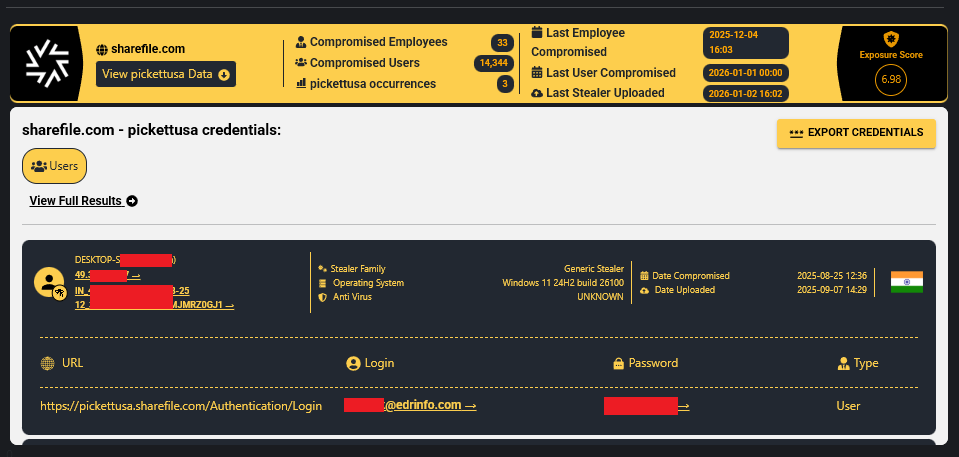 Read more: Pwned Plans and Porous Perimeters
A breach at Pickett & Associates exposes critical infrastructure blueprints, proving that engineering firms are the new attack vector. Learn why ‘boring’ data is a military target and why MFA is non-negotiable.
-
Porous Perimeters and Pro-Russian Pwning: The La Poste Lesson
 Read more: Porous Perimeters and Pro-Russian Pwning: The La Poste Lesson
Pro-Russia hacktivists like Z-Pentest are moving from annoying DDoS attacks to dangerous OT compromises in France and Denmark. Don Bowman explains why your air gap is a lie and how to actually secure critical infrastructure.
-
Ransomware Reservoirs: Another Leak in the Critical Infrastructure Dam
 Read more: Ransomware Reservoirs: Another Leak in the Critical Infrastructure Dam
Romanian water infrastructure just lost 1,000 systems to ransomware. While authorities claim operations are safe, the shift to manual radio comms proves our critical infrastructure defences are failing. It is time to ditch the air gap myth for real Zero Trust security.
-
2026 Pwned by Progress: The Year Your Air Gap Finally Evaporates
 Read more: 2026 Pwned by Progress: The Year Your Air Gap Finally Evaporates
It is 2026 and your new OT hardware demands an internet connection. Discover why this kills the air gap, breaks your firewall, and why Identity-Aware Proxies are the only path to safety.
-
When Skynet Meets the Assembly Line CISA’s New Playbook
 Read more: When Skynet Meets the Assembly Line CISA’s New Playbook
Navigating the new guidance on mixing artificial intelligence with industrial control systems without blowing anything up It feels like just yesterday we were worried about connecting a PLC to the skynet.
-
SEC Shockwaves: Manufacturing Misery and the Materiality Mandate
 Read more: SEC Shockwaves: Manufacturing Misery and the Materiality Mandate
The SEC’s new 4-day disclosure rule is a wake-up call for manufacturing. Is your OT network ready to report a material breach, or are you staring into a black box of legacy tech?
-
Subprime Software: The Hidden Risks in Your Supply Chain
 Read more: Subprime Software: The Hidden Risks in Your Supply Chain
The Apache Tika CVE-2025-66516 is a perfect 10 for risk and a wake-up call for the industry. Like the 2008 financial crisis, toxic assets are hidden deep in your software stack. Learn why your security appliances might be your biggest weakness and how Zero Trust limits the blast radius.
-
Russian Roulette: Gambling with Critical Infrastructure and VNC
 Read more: Russian Roulette: Gambling with Critical Infrastructure and VNC
CISA warns of Pro-Russia hacktivists targeting VNC in critical infrastructure. We argue these are state-sponsored threats and explains why your firewall isn’t enough to stop them.
-
Quartered and Drawn: The SANS 2025 Reality Check
 Read more: Quartered and Drawn: The SANS 2025 Reality Check
22% of operational technology environments were breached last year. 40% resulted in total operational shutdowns. We aren’t talking about website glitches; we’re talking about stopping pumps. I broke down the SANS 2025 report to explain why the odds are against you, and how to prepare
-
The Distributed Dilemma: Securing Renewable Energy in the Middle of Nowhere
 Read more: The Distributed Dilemma: Securing Renewable Energy in the Middle of Nowhere
Renewable energy sites are remote, distributed, and hard to secure. From Starlink struggles to contractor chaos, learn why Zero Trust is the only way to protect the modern grid.
-
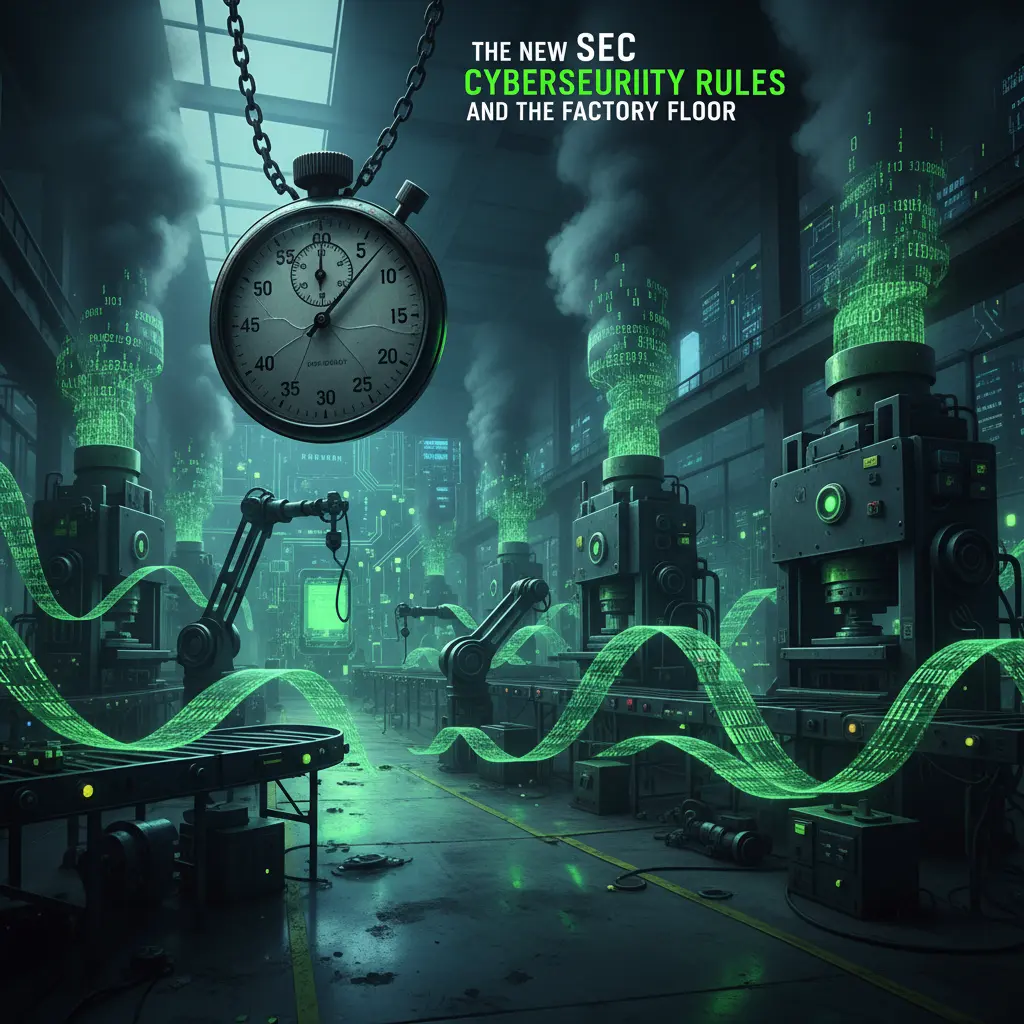
The SEC Clock Is Ticking for Manufacturing
 Read more: The SEC Clock Is Ticking for Manufacturing
New SEC rules require public companies to disclose material cybersecurity incidents within four days. For manufacturers relying on complex industrial control systems, this timeline presents a massive challenge in visibility and reporting.
-
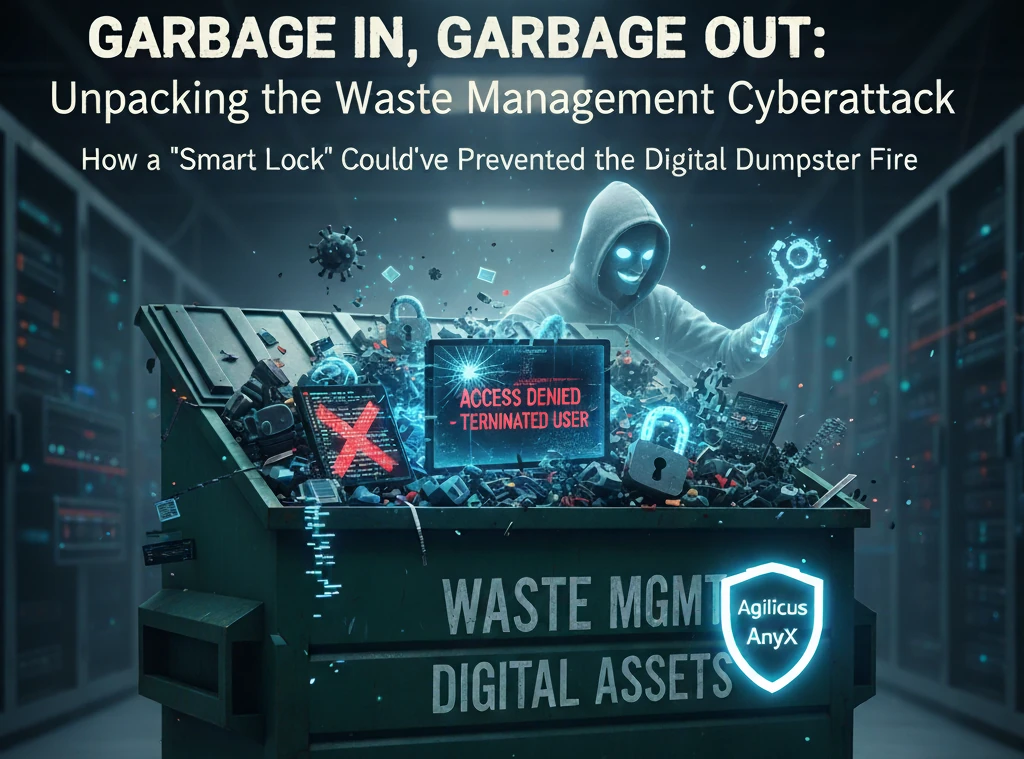
Cleaning Up the Mess: How One Disgruntled Contractor Trashed a Network (And How to Stop It)
 Read more: Cleaning Up the Mess: How One Disgruntled Contractor Trashed a Network (And How to Stop It)
An ex-contractor’s revenge cost a firm $862K. This cybersecurity story reveals a critical flaw in vendor access and how to prevent it.
-
Stop Saying “It’s the Customer’s Choice” – It’s Costing You Money
 Read more: Stop Saying “It’s the Customer’s Choice” – It’s Costing You Money
As a system integrator, do you say remote access is “the customer’s choice”? This common refrain, while well-intentioned, is an outdated view that’s costing you money. It’s time to shift from a cost-plus model to a more profitable, secure, and scalable managed service offering for your clients.
-
Houston, We Have Two Internets… and That’s a Problem?
 Read more: Houston, We Have Two Internets… and That’s a Problem?
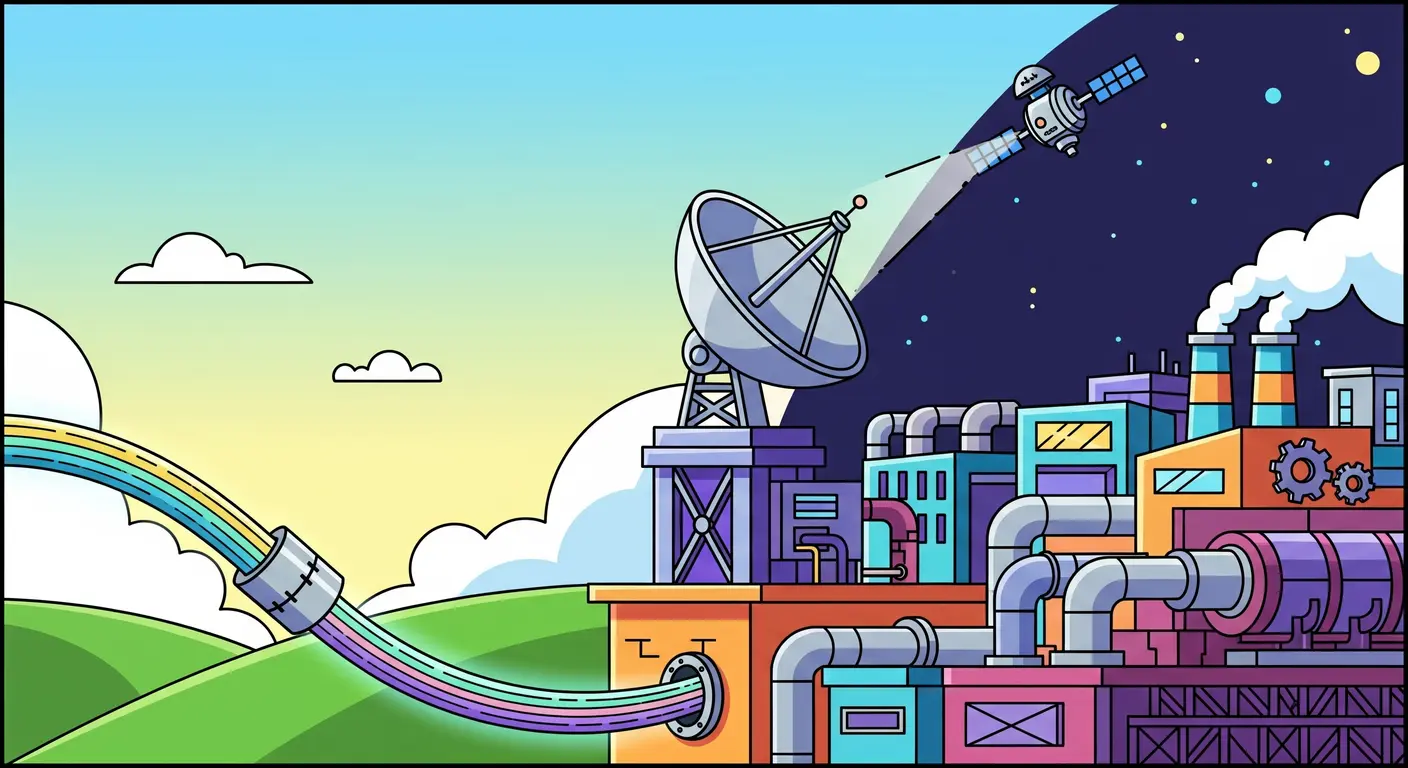
You got a backup internet connection for your industrial plant, but now you have a new problem. How do you actually use it? Its different Internet Protocol address and lack of inbound support create a headache. Before you get tangled in a complex solution, there’s a simpler way to achieve seamless, active-active failover.
-
From Tunnels to (Zero) Trust: The Evolution of Industrial Remote Access
 Read more: From Tunnels to (Zero) Trust: The Evolution of Industrial Remote Access
How do you grant secure remote access to your plant floor? While VPNs and jump boxes are common, they introduce serious security risks and operational headaches. We explore the four key methods, from traditional tunnels to modern Zero Trust, and reveal why an identity-aware approach is faster, simpler, and fundamentally more secure.
-
Who Moved My Air Gap? The Slow Boiling Future of Industrial Security
 Read more: Who Moved My Air Gap? The Slow Boiling Future of Industrial Security
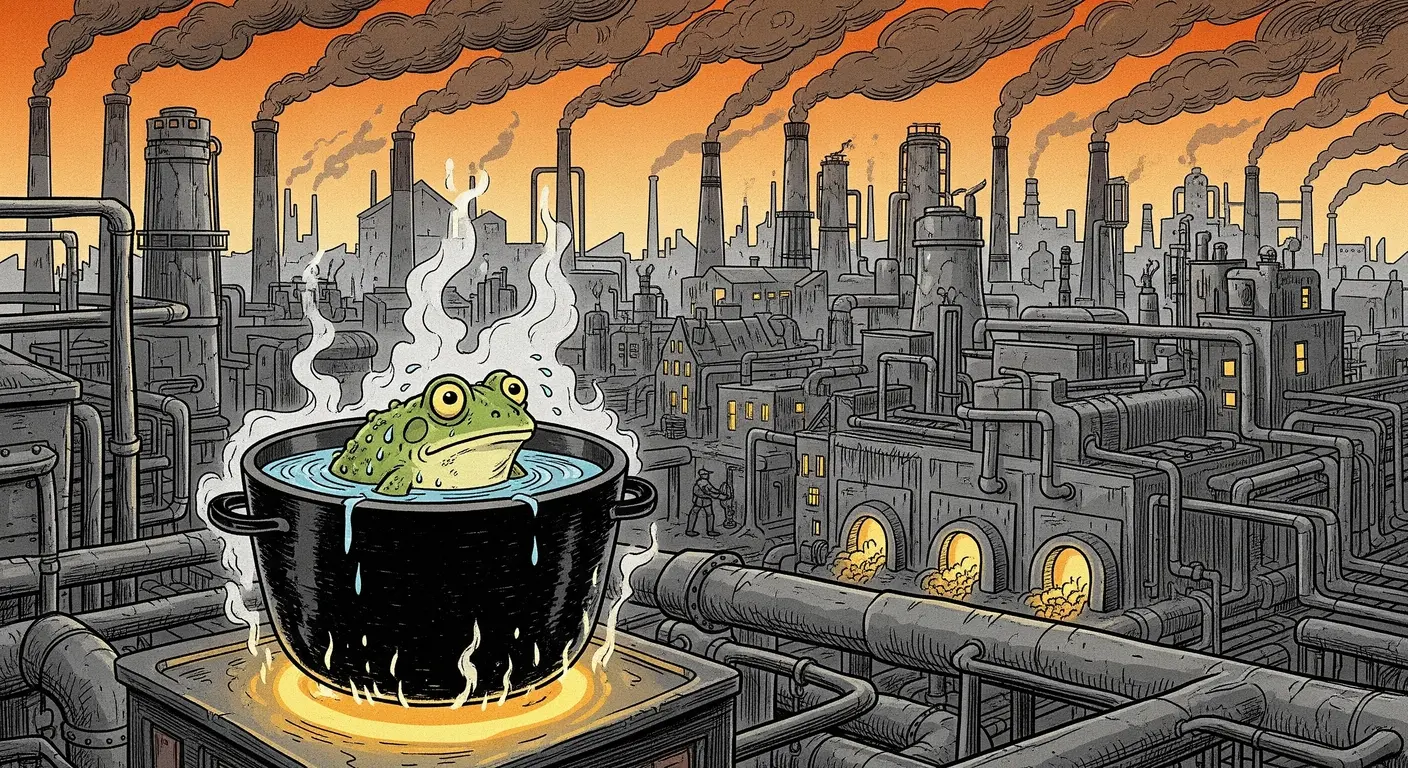
For decades, industrial security relied on the “air gap.” But like a frog in slowly boiling water, we’ve missed the gradual erosion of this protection. Today, that gap is more like Swiss cheese, full of holes for vendor access and cloud connectivity. It’s time to adapt to this new reality.